

Let’s be honest: most games based on a TV show are quick cash-grabs. You play it once, realize it’s just Monopoly with a different skin, and it gathers dust on a shelf. So when a Rick and Morty card game lands on the table, the question isn’t just “Is it fun?” but “Is it actually good?”
Skepticism is well-earned. A great tabletop game needs clever rules, real strategy, and a reason to play it more than once. Fortunately, a few Rick and Morty tabletop games have risen above the rest, offering genuinely different experiences. The three most popular options are the cooperative paranoia of The Total Rickall Card Game, the competitive theme-park building of Anatomy Park, and the chaotic dungeon-crawling of Munchkin: Rick and Morty.
To figure out which is right for you, here’s a quick guide to the big three:
- The Total Rickall Card Game
- Episode Theme: Based on “Total Rickall,” where alien parasites implant fake memories to trick the family.
- Game Style: Cooperative Paranoia Party (Can you find the hidden traitors before they take over?).
- Anatomy Park — The Game
- Episode Theme: Based on “Anatomy Park,” the microscopic theme park built inside a homeless man.
- Game Style: Competitive Park-Building (Who can build the best, most lucrative, and slightly disgusting theme park?).
- Munchkin: Rick and Morty
- Episode Theme: A tour of the entire Rick and Morty multiverse, mashing up countless characters, items, and monsters.
- Game Style: Competitive Backstabbing (Fight monsters, get loot, and betray your friends to reach Level 10 first).
If your group loves tense moments and pointing fingers, The Total Rickall Game is your perfect match. If you prefer building something and competing for points, Anatomy Park is a fantastic choice. And if your game night thrives on pure chaos, the backstabbing of Munchkin is what you need.
How to Play “The Total Rickall Game”: Your 5-Minute Guide to Spotting Parasites
One of the biggest questions about any new game is, “Will this take an hour to explain?” Thankfully, you can learn the rules to Total Rickall in the time it takes to heat up a Pop-Tart. The goal is simple and pulled straight from the show: the Smith house is filled with characters, but some are secretly alien parasites. Your job, as a team, is to figure out which characters are parasites and shoot them. If you shoot all the parasites, you win. But if you accidentally shoot too many real characters, or if the parasites survive long enough to take over, everybody loses.
At the start of the game, you’ll lay out a grid of Character cards. This is your infestation. You might see familiar faces like Birdperson and Squanchy alongside wacky new ones like a refrigerator with a German accent. Some of these are Real, and some are Parasites, but at the beginning, you have no idea which is which. This immediately creates the central mystery: you’re staring at a roomful of potential friends and enemies and you have to sort them out before it’s too late.
On your turn, you only have two basic choices: play a card from your hand or take a shot. Most of the cards you play are Action cards that let you peek at a character’s identity or manipulate the board. But the most important action is shooting. Pointing your plastic toy gun at a character and declaring them a parasite is the only way to get them off the table. It’s a bold, permanent move, so you’d better be sure.
Here’s the twist that makes everything wonderfully tense: before the game begins, every player is secretly dealt an Identity card. Most of you will get a ‘Real’ card, meaning you’re working together. But one or two of you will get a ‘Parasite’ card. If you’re a parasite, your goal is to secretly sabotage the group, tricking Real players into shooting the wrong characters and ensuring at least one parasite character is still on the table when the game ends.
This single mechanic transforms Total Rickall from a simple guessing game into a full-blown paranoia-fest. Suddenly, you can’t trust anyone. When your friend insists that Sleepy Gary is a parasite, are they helping you win, or are they trying to trick you? Every piece of advice, every suggestion, and every nervous glance becomes a clue. This constant suspicion is the heart of the game and the source of its most hilarious moments.
The Secret Sauce: Why “Total Rickall” Creates Hilarious Arguments
Knowing the rules is one thing, but the real magic of Total Rickall is how it perfectly captures the chaotic energy of the show. The game isn’t won by a brilliant strategist; it’s won (or lost) in the loud, messy, and hilarious arguments that erupt around the table. The simple act of deciding who to shoot transforms your living room into a pressure cooker of suspicion. You’re forced to make a call based on gut feelings, flimsy evidence, and how convincingly your friend can lie to your face. Check out Alternatif ABILAWA99 to know more
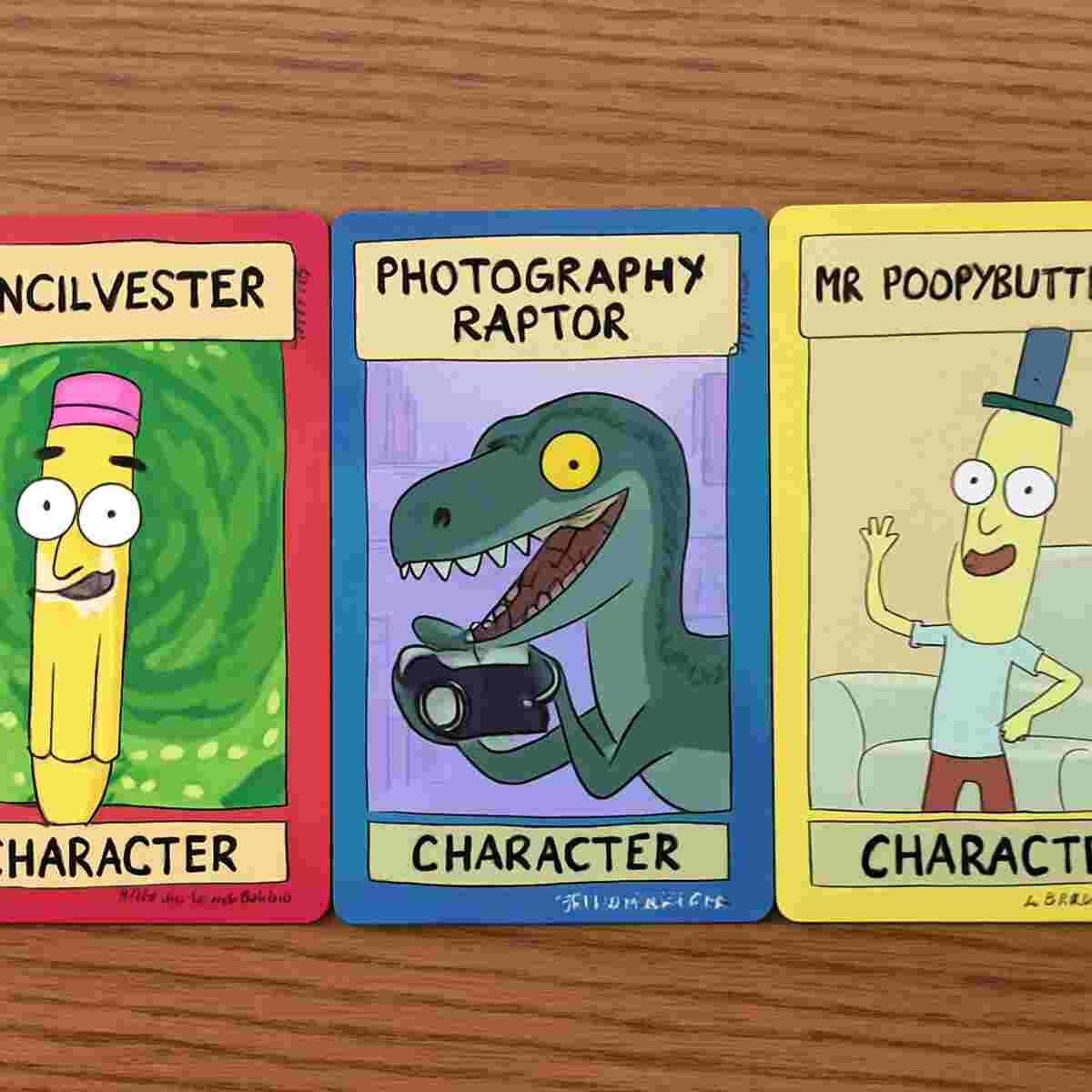
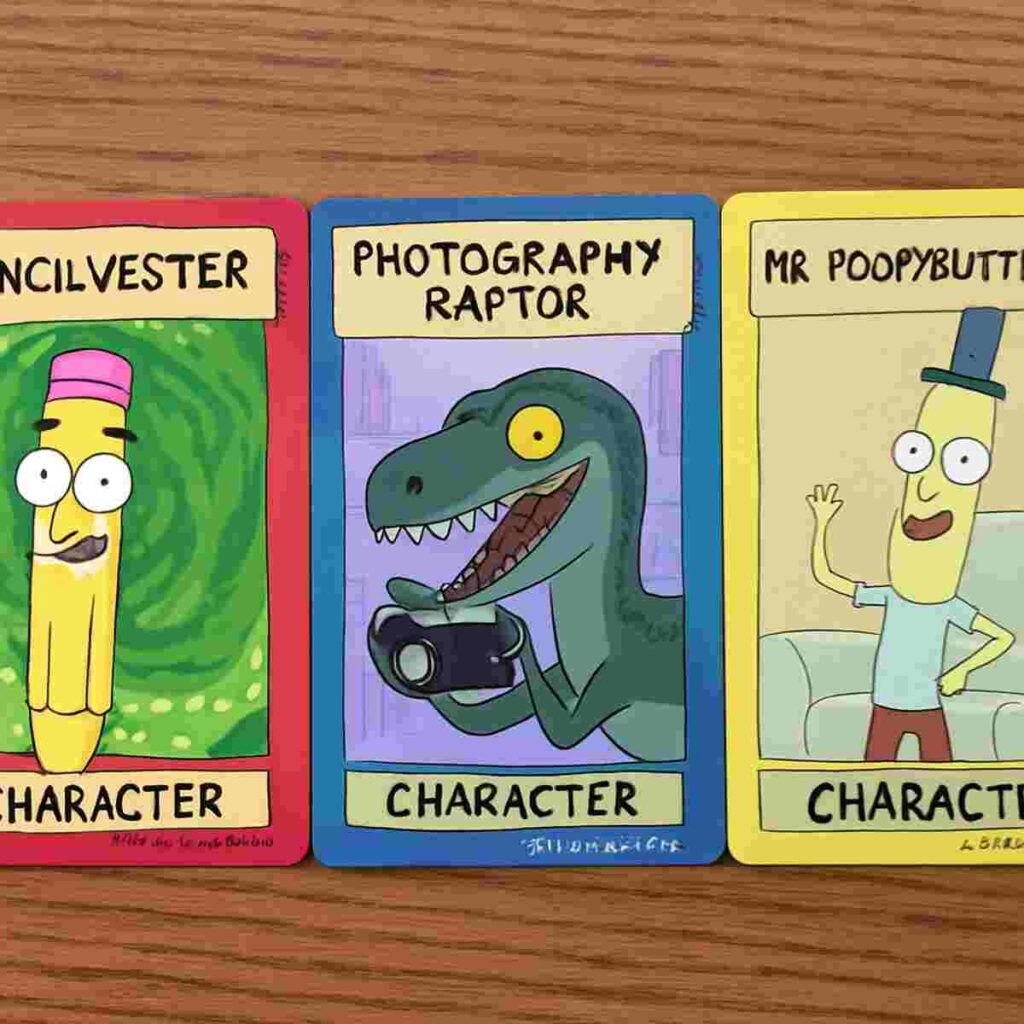
A huge part of the fun comes from the characters themselves. The cards are a bizarre gallery of new and familiar faces, like Pencilvester, Photography Raptor, and Mr. Poopybutthole. The art is colorful and expressive, and deciding whether “Amish Cyborg” is real or a parasite is a question that feels uniquely Rick and Morty, making the whole experience feel less like a board game and more like an interactive episode.
What truly ties the theme together is a clever little rule: you can only shoot a character if you have a “memory” of them, which you get by playing action cards. This brilliantly prevents players from just randomly shooting characters from the start, forcing you to interact and build a case. It also gives a secret parasite player the perfect opening to say, “I just played a card that gave me a memory of Tinkles! Trust me, she’s a parasite, let’s get her!” This mechanic is the engine for the game’s deception and paranoia.
Ultimately, this isn’t a game you play to prove you’re the smartest person in the room. The only effective strategy is to pay more attention to the players than the cards. It’s a perfect party game because its goal is to generate stories. You won’t remember who won a week later, but you will absolutely remember the time your quietest friend flawlessly tricked the entire table into believing Ghost in a Jar was a real person.
Want More Chaos? A Quick Guide to Anatomy Park and Munchkin
While Total Rickall excels at creating a room full of suspicious, shouting friends, it’s not the only way to dive into the show’s multiverse. For groups who prefer building something or engaging in direct backstabbing, two other fantastic tabletop experiences are available.
First up is The Anatomy Park Game, which swaps social deduction for competitive construction. The premise is gloriously grotesque: you compete to build the best theme park inside the body of a homeless man named Reuben. Instead of playing cards to expose traitors, you’ll be physically laying down square tiles representing rides like “Pirates of the Pancreas” or “Bladder Falls.” Your goal is to arrange your tiles in the most profitable layout before Reuben’s body inevitably expires.
This makes for a more strategic and thinky game. While focused on designing your own park, you can also mess with opponents by placing a Disease tile in a rival’s prime location or shifting a body part to ruin their plans. It’s less about loud arguments and more about clever placement and quiet plotting, creating a surprisingly engaging strategic challenge for those who enjoy puzzles and head-to-head competition.
On the opposite end of the spectrum is Munchkin: Rick and Morty. Munchkin is a legendary card game famous for one thing: encouraging players to be as nasty to each other as possible. The goal is to be the first player to get to Level 10 by fighting monsters and looting treasure. The core Munchkin: Rick and Morty gameplay is all about gleeful betrayal. When one player is about to fight a monster to win, everyone else can throw cards to help the monster, making it impossible for the player to win. This version is dripping with show references, from Gazorpian warriors to using a Meeseeks Box to interfere. It’s a chaotic race to the top where no lead is ever safe.
How to Win at Total Rickall: 3 Simple Strategies to Sniff Out a Parasite
The Total Rickall Game can quickly descend into chaos, but winning requires more finesse than randomly shooting characters. The game isn’t about luck; it’s about reading the room. For an edge, start with these three tips.
The single most common mistake beginners make is shooting the first character that appears. Don’t do it! The first character introduced is always a Real character. This is a core rule: Parasites can only be introduced by being attached to a Real character already on the table. Trust the first character and use them as your anchor.
Once a few more characters hit the table, the mind games begin. Shift your focus from the wild stories people tell to how they defend a character. A player who passionately argues for someone is often telling the truth. The player who just nervously says, “Uh, yeah, he’s real,” or waits to see what everyone else thinks is usually hiding something. Their hesitation is the tell.
Finally, don’t be afraid to use your team’s special powers. Many Real characters have game-changing abilities, but players often hesitate, saving them for a “perfect moment” that never comes. Use those powers early to confirm an identity or gain an advantage. If you wait, another player might mistakenly shoot your character, and that power is lost forever. Being aggressive with your resources is often key to victory.
The Practical Details: Which Game Fits Your Game Night?
So, which box should you grab? The answer depends on the kind of night you have planned. For Rick and Morty party game ideas that are easy to teach and get people laughing, The Total Rickall Game is your best bet. It supports 2-5 players and a round can be over in 30 minutes, making it perfect for a lively group.
For a slightly more focused evening, the Anatomy Park Game is the clear winner. It’s less about shouting and more about plotting your next move. The Anatomy Park game player count is 2-4 players, and you should set aside about 45-60 minutes. It requires a bit more table space and concentration, making it ideal for a dedicated game night.
What if it’s just you and a friend? The Pickle Rick Game is designed specifically for that head-to-head showdown. It’s a fast-paced, 2-player duel that captures the frantic energy of the “Pickle Rick” episode. You can blast through a game in 20-30 minutes, making it a perfect choice for a weeknight.
Ultimately, when deciding where to buy the Anatomy Park game or its siblings, your best bet is usually online retailers or the board game section of big box stores.
So, Which Rick and Morty Game Should You Get? The Final Verdict
You arrived wondering if the Rick and Morty tabletop games were just cheap cash-grabs and can now confidently choose the right kind of chaos for your game night.
So what’s the final call? For a hilarious, fast party game that gets everyone laughing in minutes, your choice is simple: get The Total Rickall Card Game. It’s the best all-around choice for almost any group, whether they’re show superfans or have never heard of Mr. Poopybutthole.
In the matchup of Total Rickall vs Anatomy Park, pick Anatomy Park only if your friends prefer a bit more strategy with their humor. And if your crew’s idea of fun is gleeful backstabbing, then Munchkin: Rick and Morty is built for you.
Finding the best experience isn’t about a single winner, but choosing your brand of chaos. You now have the power to make that call, ensuring your next game night is a brilliant invention, not a failed experiment left screaming in a forgotten dimension.
