


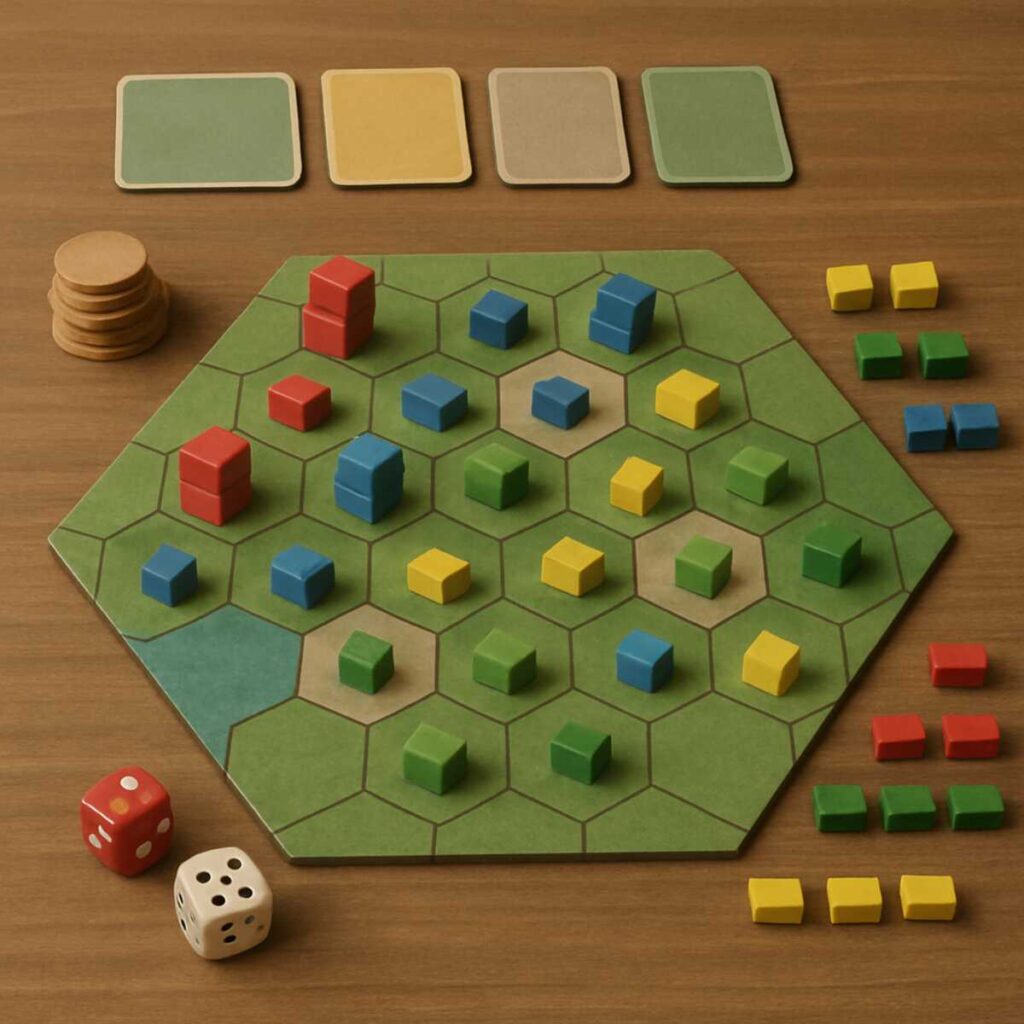
Before diving into the strategies, it is essential to understand the fundamental mechanics of the 112 Game. Often associated with the popular cultural phenomenon “Squid Game”, the 112 Game requires players to navigate through a series of challenges, each designed to test their strategic acumen and adaptability. The objective is straightforward: outmaneuver your opponents and emerge victorious by accumulating the highest score. Check out alternatif gg189 to know more
Understanding the Game Environment
The game environment in the 112 Game is deliberately intricate. Players must navigate a multi-layered board, where each move can potentially alter the game’s trajectory. The dynamic nature of the game environment necessitates a keen understanding of the board layout and the various elements that can influence gameplay. Each layer of the board offers unique challenges and opportunities, requiring players to stay vigilant and adaptable.
Moreover, the game environment is not static; it evolves with each round, presenting new obstacles and pathways. This constant change demands that players continuously reassess their strategies and remain flexible. Understanding how these environmental shifts affect the game can provide a significant tactical advantage.
Key Components of the 112 Game
- Player Tokens: Each player controls a set of tokens, which they must strategically position to gain an advantage. These tokens serve as the player’s primary tools for executing strategies, and their placement can greatly influence the course of the game. Mastery of token management is crucial for success.
- Scoring System: The scoring system is multifaceted, rewarding players for strategic moves, capturing opponent tokens, and achieving specific objectives. The ability to maximize points through strategic planning and execution is essential. Understanding the nuances of the scoring system allows players to prioritize actions that yield the highest rewards.
- Time Constraints: Each round is time-bound, adding an element of pressure that requires quick thinking and decisive action. Time management is a critical skill; players must balance the need for thorough planning with the necessity for swift execution. Learning to make rapid yet informed decisions can be the difference between victory and defeat.
- Challenge Variability: Each game introduces unique challenges that require players to adapt their strategies. These challenges test a player’s ability to think on their feet and adjust their approach. Embracing this variability and preparing for the unexpected can give players a distinct edge.
Developing a Winning Strategy
To master the 112 Game, players must develop a robust strategy that encompasses both offensive and defensive tactics. Here are some pivotal strategies to consider:
Offensive Strategies
- Aggressive Positioning: Take control of the central areas of the board early in the game. This positioning allows you to exert influence over the game’s flow and restrict your opponents’ movements. By controlling key territories, you can dictate the pace of the game and force opponents to react to your maneuvers.
- Predictive Play: Anticipate your opponents’ moves by studying their past actions. This foresight can enable you to counter their strategies effectively and gain a competitive edge. By understanding your opponents’ tendencies, you can preemptively block their plans and create advantageous situations for yourself.
- Diversified Tactics: Employ a diverse range of tactics to keep your opponents guessing. Switch between aggressive and conservative approaches based on the evolving game dynamics. This unpredictability can make it difficult for opponents to anticipate your next move, allowing you to capitalize on their uncertainty.
- Calculated Risks: Occasionally take calculated risks that have the potential for high rewards. Weigh the potential benefits against the risks to determine if the move is worth pursuing. Successful risk-taking can lead to significant strategic advantages.
Defensive Strategies
- Resource Management: Carefully manage your resources, ensuring that you do not overextend your position. Maintain a reserve of tokens to fortify your defenses when necessary. Effective resource management allows you to sustain your strategic initiatives over the long term.
- Risk Mitigation: Avoid high-risk moves that could leave your positions vulnerable. Instead, focus on consolidating your positions and minimizing potential losses. By reducing exposure to unnecessary risks, you can maintain a stable and defensible position.
- Adaptability: Stay adaptable to changing circumstances. Be prepared to revise your strategy in response to unexpected developments within the game. Flexibility is key; the ability to pivot and adjust your approach can prevent setbacks and open new opportunities.
- Countermeasures: Develop countermeasures to neutralize your opponents’ strategies. By understanding their tactics, you can create defenses specifically designed to thwart their plans. This proactive approach can keep your opponents on the defensive.
Practicing Critical Thinking
The 112 Game is as much a test of mental acuity as it is of strategic prowess. To excel, players must hone their critical thinking skills through regular practice and reflection.
Exercises to Enhance Critical Thinking
- Scenario Analysis: Regularly analyze different game scenarios to identify potential outcomes and optimal moves. This exercise will enhance your ability to evaluate complex situations quickly. By considering various possibilities, you can prepare for a wide range of scenarios.
- Post-Game Reflection: After each game, reflect on your performance. Identify successful strategies and areas for improvement to continually refine your approach. This reflection process helps consolidate learning and supports continuous growth.
- Strategic Planning: Practice developing detailed plans that account for multiple variables. This exercise strengthens your ability to anticipate challenges and devise comprehensive strategies. Strategic planning is a critical component of effective gameplay.
- Problem-Solving Drills: Engage in problem-solving exercises that challenge you to think creatively and innovatively. These drills can improve your capacity to address unexpected challenges during the game.
Leveraging Technology
In the digital age, technology can be a valuable ally in mastering the 112 Game. Online platforms and apps offer players the opportunity to practice against virtual opponents, providing a risk-free environment to test new strategies.
Benefits of Online Practice
- Skill Development: Online games allow for repeated practice, enabling players to fine-tune their skills and experiment with different tactics. This repetition helps solidify understanding and improve performance.
- Community Engagement: Engage with a global community of players to exchange insights, strategies, and experiences, fostering a collaborative learning environment. Interaction with other players can provide new perspectives and ideas.
- Performance Tracking: Utilize performance analytics to track your progress and identify areas for further development. Data-driven insights can inform strategic adjustments and highlight improvement opportunities.
- Access to Resources: Many online platforms offer tutorials, forums, and resources to support skill development. Taking advantage of these tools can accelerate learning and enhance gameplay.
The Role of Psychology in the 112 Game
Psychological factors play a significant role in the 112 Game. Understanding and leveraging these elements can provide a competitive advantage.
Psychological Strategies
- Bluffing: Master the art of deception by occasionally making moves that mislead your opponents about your intentions. This tactic can create confusion and force opponents to make errors. Effective bluffing requires a keen understanding of human behavior.
- Emotional Control: Maintain composure under pressure. Emotional regulation can prevent impulsive decisions that could jeopardize your strategy. By managing your emotions, you can maintain clarity and focus during critical moments.
- Opponent Analysis: Study your opponents’ behavioral patterns to anticipate their moves and exploit any psychological weaknesses. This analysis can provide insights into their decision-making processes and reveal opportunities for strategic exploitation.
- Confidence Building: Cultivate confidence in your abilities to enhance performance. A confident mindset can improve decision-making and increase resilience in challenging situations.
Conclusion
Mastering the 112 Game requires a blend of strategic insight, critical thinking, and psychological acumen. By developing a comprehensive strategy that incorporates both offensive and defensive elements, practicing critical thinking exercises, leveraging technology, and understanding psychological dynamics, players can enhance their gameplay and increase their chances of success.
In the ever-evolving landscape of the 112 Game, continuous learning and adaptation are key to staying ahead of the competition. Whether you’re a novice player or an experienced strategist, these insights and strategies will serve as a valuable resource on your journey to mastering the 112 Game.