

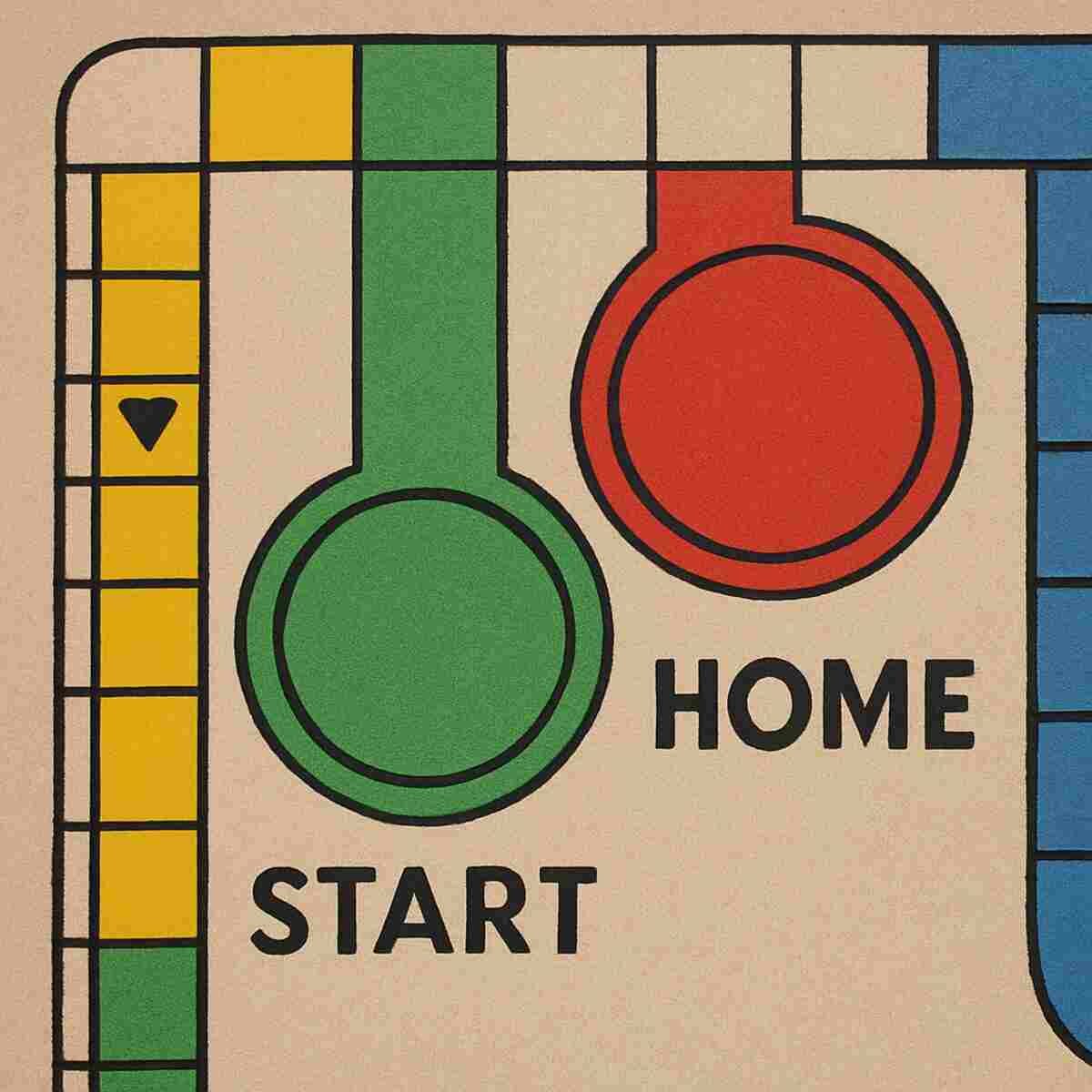
Hey there! Ready to dive into the exciting world of Sorry! board game? Whether you’re a total newbie or just need a refresher, you’ve come to the right place. We’ll break down the rules step-by-step so you can play Sorry! game like a pro. So, grab your friends or family, set up the board, and let’s get started! This guide will take you through everything from setup to strategic tips, ensuring you have all the knowledge needed for a thrilling game night. To know more, check out MISTERIBET77
What is Sorry! Game?
First things first, what’s this game all about? Sorry! is a classic board game that’s been bringing families and friends together for decades. The objective? To be the first player to get all of your pieces, or pawns, from the start area to your home space. Sounds simple enough, right? Well, there’s a bit of strategy and a lot of fun involved along the way! Let’s delve deeper into the setup, gameplay, and the nuances that make this game a timeless favorite.
The Origin of Sorry!
Sorry! has a rich history, tracing back to its origins in the early 20th century. It was developed as a modern adaptation of the ancient game of Pachisi, which has been played in India for centuries. This connection to a time-honored tradition adds an element of historical intrigue to every game you play. Over the years, Sorry! has evolved, incorporating unique elements that distinguish it from its ancient predecessor.
The Objective of Sorry!
The main goal in Sorry! is straightforward: maneuver all four of your pawns from your start area to your home space. However, the path is fraught with challenges and opportunities for strategic plays. Players must navigate the board wisely, utilizing cards that dictate their moves, and outmaneuvering opponents to secure victory. Understanding the balance between aggression and defense is crucial to mastering the game.
The Appeal of Sorry!
What makes Sorry! such an enduring favorite among board game enthusiasts? It’s the perfect blend of luck and strategy, making each game unpredictable and exciting. The simple rules make it accessible to players of all ages, while the strategic depth keeps seasoned players engaged. Moreover, the social aspect of the game, with its opportunities for playful banter and friendly competition, makes it a staple at family gatherings and game nights.
Setting Up the Game
Before you dive into playing, let’s talk setup. This crucial step ensures a smooth and enjoyable game experience. Proper setup lays the foundation for strategic play and helps avoid any mid-game confusion. Let’s explore each aspect of setting up the Sorry! game in more detail.
Preparing the Board
- Get the Board Ready: Place the Sorry! board on a flat surface. You’ll notice it’s divided into four colored start areas with corresponding home spaces. Ensuring the board is stable and accessible to all players enhances the gameplay experience. Consider the lighting and seating arrangement, as they can affect players’ ability to see the board clearly and make informed decisions.
- Understanding the Layout: Each section of the board is color-coded to match the players’ pawns. Familiarize yourself with the layout, including the paths leading to home spaces and the location of safety zones. This understanding will be crucial as you plan your moves and strategies throughout the game.
Selecting Your Color
- Choose Your Color: Each player picks a color and takes four matching pawns. Place your pawns in your start area. Choosing a color can be as simple as picking a favorite or drawing straws if there’s a disagreement. The color you choose can become a part of your gaming identity, adding a personal touch to the experience.
- Identifying Your Opponents: Take note of the colors chosen by your opponents. This awareness helps in planning strategies, as you can anticipate their moves and potential threats. Observing your opponents’ strategies early on can provide valuable insights into their gameplay style.
Preparing the Deck
- Shuffle the Cards: Give the deck of cards a good shuffle and place it face down within reach of all players. A well-shuffled deck ensures fairness and unpredictability, keeping the game exciting. Consider designating a player to shuffle the cards each round to maintain consistency.
- Familiarize with the Cards: Before starting, take a moment to review the different cards and their instructions. Understanding the potential moves each card allows will help you make informed decisions as the game progresses. This familiarity can also speed up gameplay, as players won’t need to pause to read card instructions.
Now that everything is set, it’s time to play! With a clear setup and an understanding of the board, you’re ready to embark on a strategic journey filled with twists and turns.
How to Play Sorry! Game
Playing Sorry! is all about drawing cards and making the best moves. Here’s how it goes. The gameplay is designed to be dynamic and engaging, with each turn offering new possibilities and challenges. Let’s break down the mechanics and strategies to enhance your understanding of this captivating game.
The Basics of Gameplay
- Draw a Card: Players take turns drawing a card from the deck. The card you draw determines your move. This element of chance adds excitement and unpredictability to the game, keeping players on their toes. The anticipation of drawing a powerful card can be thrilling, while the challenge of making the best of a less favorable draw tests your strategic skills.
- Make Your Move: Follow the instructions on the card. It might tell you to move forward, backward, or even switch places with another player’s pawn. This variety of moves ensures that each turn is unique, requiring players to adapt their strategies on the fly. The ability to capitalize on opportunities presented by the cards is a hallmark of skilled Sorry! players.
- Sorry! Cards: If you draw a Sorry! card, you get to replace an opponent’s pawn with your own, sending their pawn back to the start. Ouch! This card can be a game-changer, turning the tide in your favor or disrupting an opponent’s plans. The strategic use of Sorry! cards can create tension and excitement, making each game a memorable experience.
Understanding the Cards
Here’s a quick rundown of what each card allows you to do. The cards are the heart of the game, dictating the pace and direction of play. Familiarity with their functions is essential for developing effective strategies.
- 1 or 2: Move forward 1 or 2 spaces. If you draw a 2, you get another turn! This card can be a strategic advantage, allowing for quick advances or setting up future moves. The extra turn granted by a 2 card can be pivotal, offering a chance to launch a rapid offensive or reinforce a defensive position.
- 3, 5, 8, 12: Move forward the number of spaces indicated. These cards are straightforward, offering consistent forward progress. Their predictability makes them useful for advancing pawns towards safety zones or setting up strategic positions.
- 4: Move backward 4 spaces. Time for a little backtracking! While moving backward might seem disadvantageous, it can be strategically useful for positioning pawns closer to the start area for future moves. This card can also be used to retreat from potential threats or reposition pawns for a more favorable approach to safety zones.
- 7: Split the move between two pawns. For example, move one pawn 4 spaces and another 3 spaces. This card offers strategic flexibility, allowing players to advance multiple pawns simultaneously. The ability to split moves can create opportunities for tactical maneuvers, such as setting up multiple pawns for a strong offensive or defensive play.
- 10: Move forward 10 spaces or move backward 1 space. The choice between advancing or retreating adds a layer of strategy to this card. Players can use it to make significant progress towards their home space or make a tactical retreat to avoid confrontation.
- 11: Move forward 11 spaces or swap places with an opponent’s pawn. The option to swap places can disrupt opponents’ strategies and create opportunities for advancing your pawns. This card’s versatility makes it a valuable tool for both offensive and defensive plays.
Special Moves and Rules
- Getting Out of Start: You need to draw a 1 or 2 to move a pawn out of the start area and onto the board. This requirement adds a strategic layer to the early game, as players must balance the desire to advance with the need to position pawns strategically. Patience and planning are key to overcoming this initial hurdle.
- Safety Zones: These are the colored areas that lead to your home space. Only you can enter your safety zone, and once in, you’re safe from Sorry! cards. Prioritizing entry into safety zones is a crucial defensive strategy, offering protection from opponents’ aggressive moves. Securing pawns in safety zones can provide a sense of security, allowing players to focus on advancing other pawns.
- Winning the Game: The first player to get all four pawns into their home space wins! Achieving this goal requires a balance of offensive and defensive strategies, as well as the ability to adapt to changing circumstances. The thrill of racing towards victory, coupled with the ever-present threat of being sent back to start, makes the journey to victory an exhilarating experience.
Tips and Strategies for Winning
Now that you know the basics, let’s talk strategy. Here are some tips to help you master the Sorry! game. Developing a strategic approach is essential for consistently achieving victory and outmaneuvering opponents. Let’s explore some advanced tactics that can elevate your gameplay.
Plan Your Moves
Think ahead and plan your moves strategically. Remember, you can only move a pawn out of start with a 1 or 2, so keep an eye on your cards and plan accordingly. Anticipating potential card draws and their implications can give you an edge over your opponents. Consider the board layout and your opponents’ positions when planning your moves, as this foresight can prevent setbacks and create opportunities for advancement.
Use Sorry! Cards Wisely
Sorry! cards can be game-changers. Use them to knock an opponent’s pawn back to start, especially if they’re close to winning. Timing is crucial when deploying a Sorry! card, as it can disrupt opponents’ strategies and create openings for your pawns. Consider the overall game state and your opponents’ positions before using a Sorry! card, as a well-timed move can shift the balance of power in your favor.
Protect Your Pawns
Once your pawns are in the safety zone, they’re safe from Sorry! cards. Prioritize moving your pawns into these zones to protect them from being sent back to start. Securing pawns in safety zones can provide a strategic advantage, allowing you to focus on advancing other pawns without fear of setbacks. Consider the timing and positioning of your pawns when entering safety zones, as this can influence your overall strategy and increase your chances of victory.
Common Mistakes to Avoid
Even seasoned players make mistakes. Here are a few common ones to watch out for. Being aware of these pitfalls can help you refine your strategy and avoid costly errors during gameplay.
Forgetting to Draw a Card
Always draw a card at the start of your turn. Without drawing, you can’t move. This simple mistake can disrupt the flow of the game and put you at a disadvantage. Establish a routine of drawing a card at the beginning of each turn to ensure you’re always prepared to make strategic moves. Consider creating a visual cue or reminder to help you remember this crucial step.
Misreading Card Instructions
Pay close attention to what each card allows you to do. Misreading can cost you a key move. Taking a moment to carefully read and understand the card’s instructions can prevent misunderstandings and ensure you’re making the most of each turn. Consider discussing card instructions with other players if there’s any ambiguity, as this can help maintain clarity and fairness in the game.
Ignoring Safety Zones
Don’t forget about the safety zones. They’re your best defense against being sent back to start. Overlooking the importance of safety zones can leave your pawns vulnerable to opponents’ attacks and disrupt your progress towards victory. Make a conscious effort to prioritize entry into safety zones when planning your moves, as this defensive strategy can provide a strategic advantage.
Wrapping Up
And there you have it! You’re now well-equipped to play and even teach others the rules of the Sorry! game. With a bit of practice and some strategy, you’ll be the reigning Sorry! Champ in no time. So gather your friends and family, and let the fun begin! Remember, the key to mastering Sorry! is practice and enjoying the game. So go ahead, shuffle those cards, and get ready for some friendly competition.
Embrace the Fun
The Sorry! game is as much about enjoyment as it is about strategy. Embrace the unpredictable nature of the game and the camaraderie it fosters among players. The laughter and friendly banter that accompany each game are what make Sorry! a beloved classic. Approach each game with an open mind and a willingness to adapt, as this mindset can enhance your enjoyment and lead to memorable experiences.
Learn from Experience
Every game of Sorry! offers an opportunity to learn and grow as a player. Reflect on each game’s outcome and consider what strategies worked well and what could be improved. This reflection can help you refine your approach and develop a deeper understanding of the game’s dynamics. Consider discussing strategies and experiences with fellow players, as this exchange of ideas can provide valuable insights and enhance your overall gameplay.
Keep Playing
The more you play, the better you’ll become at Sorry! Regular practice helps you develop a keen sense of strategy and an intuitive understanding of the game’s mechanics. Don’t be afraid to experiment with different strategies and approaches, as this exploration can lead to new insights and improved performance. Remember, the journey to mastering Sorry! is a rewarding experience filled with excitement and discovery.
Happy playing!
